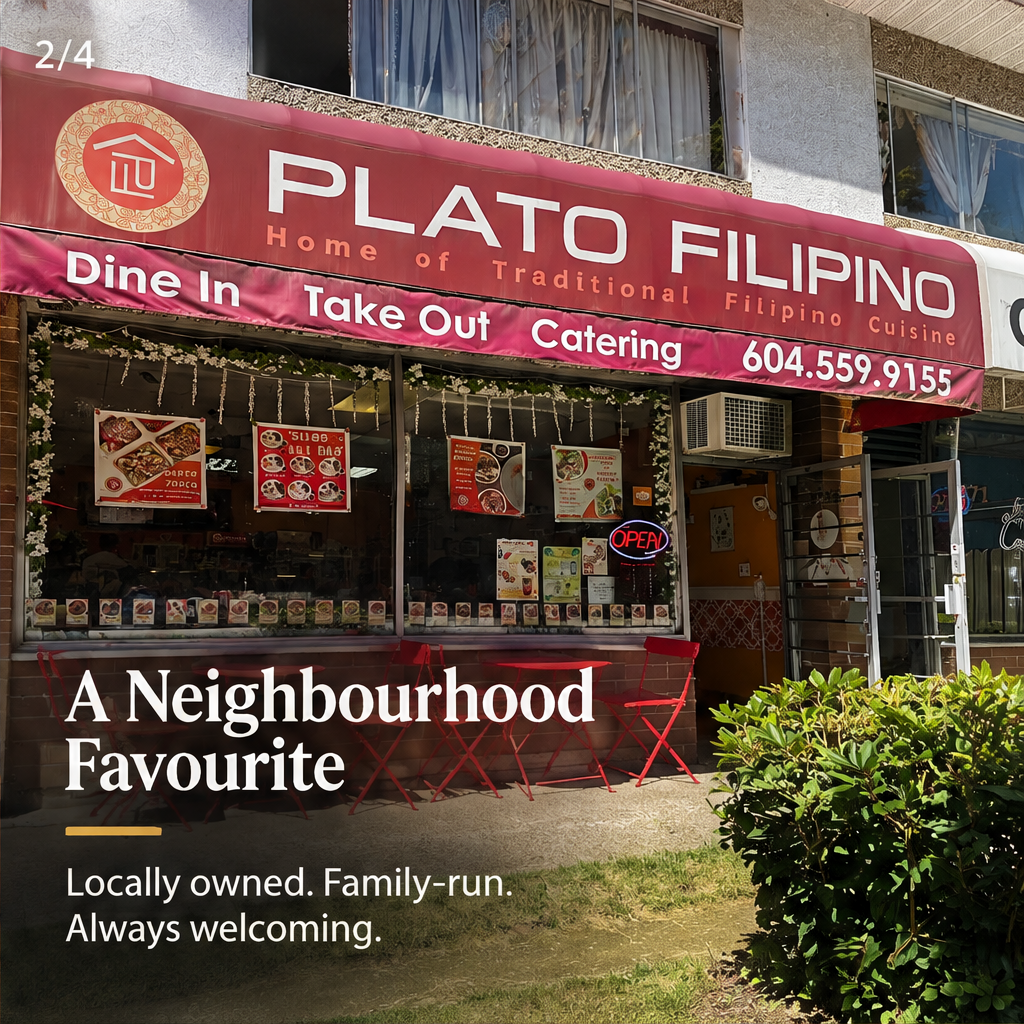
Plato Filipino
5175 Joyce St, Vancouver, BC V5R 4G8, Canada
Discover What Makes It Special
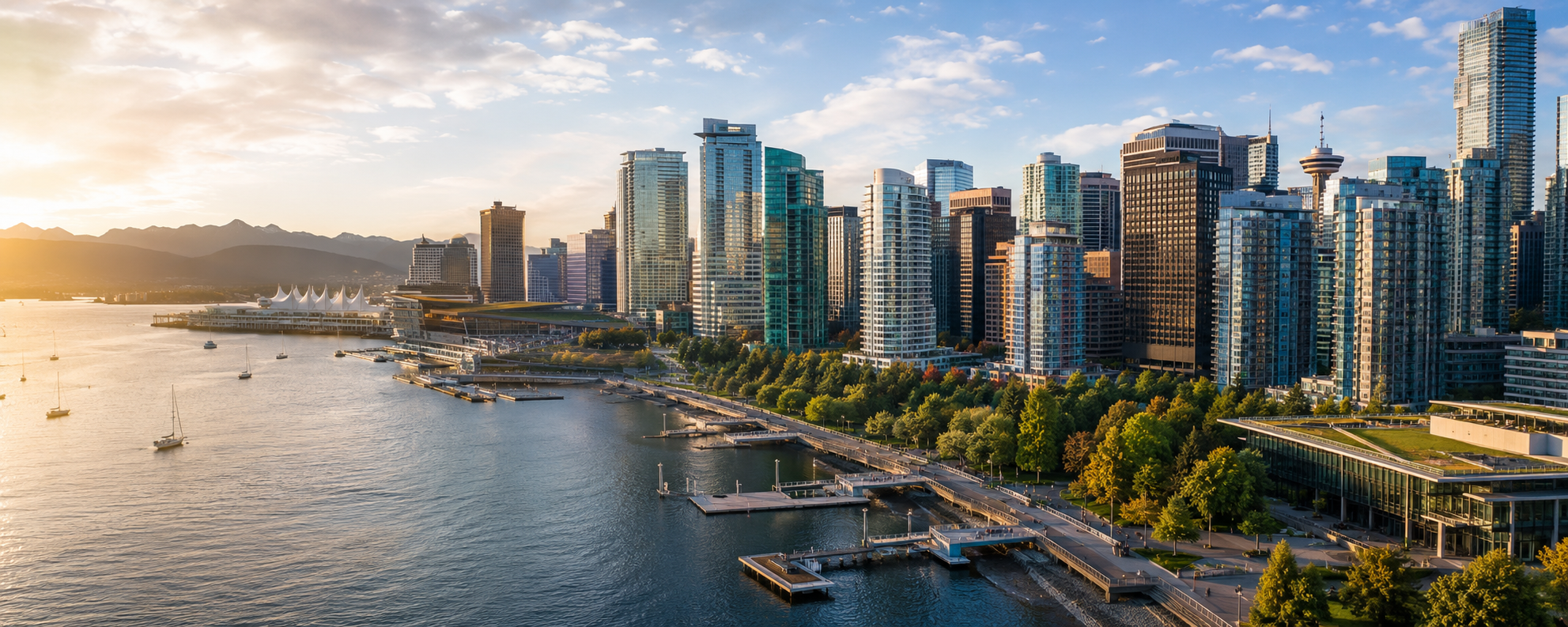
Downtown Vancouver pulses with urban energy, stretching from the waterfront north to the inlet and anchored by a dense grid of glass high-rises, heritage buildings, and tree-lined streets. This is the city's commercial and cultural heart, where you can walk to world-class theatres, art galleries, and restaurants representing cuisines from across the Pacific Rim. The seawall winds along the harbour, connecting residents to Coal Harbour's marinas and Stanley Park's forest trails within minutes. Robson Street brings retail and cafés, while Yaletown and Gastown offer distinct pockets of character—converted lofts, cobblestone lanes, and boutique shopping.
Housing here is predominantly condominium living, from sleek towers with sweeping views to mid-rise buildings tucked along quieter blocks. Education options include Pattison High School, Columbia Academy High School, Palme School, and programs administered by School Board Vancouver, serving a diverse student population.
This neighbourhood suits young professionals drawn to walkability and cultural amenities, empty nesters seeking lock-and-leave convenience, and anyone prioritizing transit access and proximity to employment hubs. Downtown Vancouver rewards those who thrive in a fast-paced, cosmopolitan environment.
Working in Downtown Vancouver each week, I see the Northeast False Creek viaduct replacement as a major long-term change to how this area connects to the waterfront. The plan replaces the aging viaducts and includes substantial park and housing objectives, so nearby streets and public spaces should evolve as redevelopment proceeds. Concord Pacific owns significant land beneath the viaduct area, and roughly 16 new towers are often discussed locally. Buyers should weigh construction disruption and event-related noise against improved public-realm potential, while reviewing each building’s documents carefully.
From what I see working Downtown Vancouver each week, Northeast False Creek’s planned 1,800 social-housing units could bring more families, seniors, and neighbours into an area long associated with high-rise living and major events. That can add everyday community and support a more varied resident mix—not a negative by definition. The broader False Creek transformation, including removal of the aging Dunsmuir Viaducts and plans for 32 acres of parks, may also reshape nearby Downtown access, public space, and the waterfront experience over time.
As a Downtown Vancouver agent, I’d start with the building’s depreciation reports, engineering or envelope studies, meeting minutes, Form B, insurance history, and records of completed or planned repairs—especially the minutes discussing leaks, special levies, or litigation. Don’t overlook podium replacements: they can run into the millions, and with fewer units, those costs are spread across fewer residents. For 1980s–1990s buildings, have a qualified building-envelope professional review the documents and inspect the property before waiving conditions; a healthy-looking lobby is not enough.